
News
essence of a memory photograph competition

The Essence of a Memory photography competition invites participants to submit a photo and write up to fifty words which together evoke a story or memory of someone important in their life who has died.
Winning entries will form part of a new exhibition to mark the 10th anniversary of the To Absent Friends Festival. The new exhibition will be launched at an evening reception in the Scottish Storytelling Centre on 1 November.
The winner of the adult category will receive £500, and the winner of the children's category will receive £50. The competition is open to people residing in Scotland.
Find out more about the competition and how to enter here: Essence of a Memory Competition
To Absent Friends 10th Anniversary Artwork - applications sought
We are looking to commission an artist to envision and create an interactive art installation to mark the 10th Anniversary of the To Absent Friends festival. Applications should be submitted by Monday 7 August 2023. More information is available here: To Absent Friends 10th Anniversary Art Installation.
About the To Absent Friends Festival
To Absent Friends, a people’s festival of storytelling and remembrance, takes place across Scotland from 1-7 November each year. The festival aims to create opportunities for people to gather together to celebrate and remember dead loved ones.
More information about the festival is available here: www.toabsentfriends.org.uk
Project Brief
The 10th To Absent Friends Festival will take place 1-7 November 2023.
We want to mark this occasion by creating a new, interactive artwork that engages members of the public in remembering and celebrating people in their lives who have died.
We are therefore looking to commission an artist or collective to envision and create a piece of art:
- in an outdoor public space in Scotland during 1-7 November 2023.
- that makes passersby curious and comfortable to engage.
- that encourages the public to contribute to or interact with it in some way.
- that encourages the public to remember or tell stories or reminisce about people in their lives who have died and who remain important to them. (Please note, the focus should be on remembrance and storytelling, rather than on grief and loss.)
- that is sensitive to the diversity of the Scottish population and the variety of experiences of loss that are present in Scotland.
- that is visually striking and provides a talking point for press releases about the TAF festival.
- that has no negative environmental impact.
More details about the project brief are available on the SPPC website here: To Absent Friends 10th Anniversary Art Commission
Demystifying Death Award Winners Revealed
The winners of the Demystifying Death Awards 2023 have been revealed.
Actor Greg Wise and author Kathryn Mannix are among those to receive one of the awards, which celebrate pioneering work to increase understanding of death, dying and bereavement.
The Awards are run by Good Life, Good Death, Good Grief, a charity-led collaboration of people and organisations that want Scotland to be a place where people can be open about and plan for death, dying and bereavement.
Sense & Sensibility star Greg Wise appeared on Strictly Come Dancing in 2021, where he dedicated a dance to his sister, whom he cared for when she was dying. He has talked openly about some of the privileges and difficulties faced by informal carers and by people living with and dying from incurable illness.
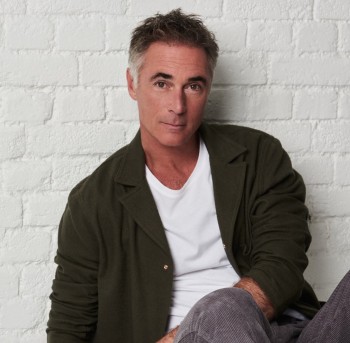
He said:
“I feel deeply privileged to have been given this award. This sits alongside the privilege of having been able to care for my sister until her death.
“I did Strictly Come Dancing for my sister - who was an enormous fan of a good dance. I did it to make her happy and to be able to share her and my story: bringing the “D Word” to a live Saturday evening sequinned dance extravaganza.
““It is an Act of Love to talk with your loved ones about grief and death. It’s Cruel (to yourself mainly) not to talk. I know I am kinder, more compassionate, more able, more grateful, more loving for having been a carer for my dying sister, and hopefully all these things now sit within me and guide me in my conversations.”
Alongside public figures like Greg Wise, the Demystifying Death Awards aim to bring recognition those working behind the scenes, often in the NHS, social care and charities.
NHS Greater Glasgow and Clyde won the Promoting Planning Award for their work to promote the importance of planning ahead for ill health and death. Jenny Watt, Macmillan Anticipatory Care Manager at NHS GGC, said:

“Death is the only guarantee in life, but it is a topic often brushed under the carpet. This results in people feeling isolated and uncertain when they are faced with the reality of dying and the aftermath of someone’s death. People have no knowledge and are often left scrabbling around trying to navigate complex systems at a time which is already painful and distressing without this added burden. We hope that by helping to shine a light on some of the information, demystify the systems, and show that there is a whole community waiting with open arms to support people in their time of need, we can create a more caring and kinder world.”
The first government agency to pick up an award was Social Security Scotland, for work to ensure changes to support payments for people who are bereaved or terminally ill are co-designed, effective and accessible to those who need them. A spokesperson for SSS outlined some other ways they work to support people who are bereaved:
“Social Security Scotland operates a bereavement service of specially trained client advisers to provide help to people who have to report a death and need to update us. With just one phone call, people can report the death of a family member, friend or loved one directly to an expert adviser. At that point, our adviser will take the necessary information for all payments that need to be cancelled.”
The Inspiring Community Award went to Pushing up the Daisies, a pioneering charity whose aim is for everyone in Scotland to know their practical options when someone dies.

Kate Clark, one of the founders of Pushing up the Daisies said:
“We support people to find what’s right for them especially when they instinctively want to keep someone’s body at home, or bring them back home, after their death.
“We believe that the time between someone’s death and their burial or cremation can give important opportunities to really experience and register that the person has died, to connect with others affected by the death and to begin to actively adjust to the changes in relationships that it heralds.”
St Columba’s Hospice Care in Edinburgh picked up the Creative Innovation Award for their Child and Family Service, which has been finding new ways to extend its support into the community, including working with schools.
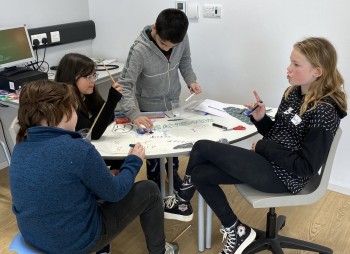
Donna Hastings, Child & Families Lead at the hospice said:
“Supporting adult caregivers with information and resources to help them have conversations with their children about an illness in a timely age-appropriate way can help children to be included and have choice and this can make all the difference to the way they are able to process and manage both anticipatory grief and grief following bereavement. Providing children with an opportunity to explore how a death/approaching death is impacting their everyday lives can help them manage their grief better.”
Another high profile winner was Dr Kathryn Mannix, author of With the End in Mind, who won the Increasing Understanding Award. Dr Mannix said:

“Once people understand the process of dying, and its stages, I hope they will feel less afraid for themselves and the people they love, better able to be companions as their person is dying, and less startled or frightened by the unusual changes in consciousness and breathing noises that happen during dying. I get lots of lovely feedback from people whose change in understanding has helped them be better prepared, or to make sense of their experiences afterwards.”
The awards are part of Demystifying Death Week (1-7 May) which aims to shine a light on death, dying and bereavement in Scotland. Various online and face-to-face events are taking place during the week, from book tours and information sessions, to gardening events, death cafes and even a dip in the sea. The one thing all the events have in common is their aim to open up opportunities to learn about, and to plan ahead for, deteriorating health, dying and bereavement.
Photo credit: Kathryn Mannix photo by Darren Irwin
Who are more ‘death literate’: bus drivers or students?

Results from a recent survey found that bus drivers have higher “death literacy” than university students.
These findings came from a recent project by the Scottish Partnership for Palliative Care exploring the ‘death literacy’ of people in Scotland.
‘Death literacy’ is about whether someone can access and provide support around serious illness, dying, death and grief. For example, how difficult would you find it to talk to a close friend about grieving? Could you assist a dying person to eat? Do you know how to access palliative care?
These are among the questions asked in the Death Literacy Index, a scale designed by Australian researchers and adapted for use in the UK.
Rebecca Patterson, Director of Good Life, Good Death, Good Grief said:
“People usually want to do the right thing when someone they know is affected by ill health, death or grief. But sometimes other things get in the way – lack of knowledge, time, experience or confidence can mean people don’t offer help.
“We want to know more about this – clearly everyone is different – so are some communities more ‘death literate’ than others?”
With this in mind, the Scottish Partnership for Palliative Care sought the help of 20 Scottish University students, and 40 bus drivers. The participants completed the DLI questionnaires and the results were analysed.
Results suggested that:
- People who have experienced grief or other significant life events often feel more prepared to cope with, and help others through, similar events in the future.
- Some people feel very able to have conversations with others about death and bereavement, while others feel unable to talk about these issues – there’s no ‘typical’ level of comfort in talking about death.
- While most people know what a ‘will’ is, there’s a general lack of awareness of other ways that people can plan ahead and get support with death, dying and bereavement.
- The group of bus drivers had a higher death literacy score than the group of students. This is likely to be due, at least in part, to the higher average age of the bus driver group, indicating that death literacy increases with age.
Mark Hazelwood, Chief Executive of the Scottish Partnership for Palliative Care said:
“The survey sizes were too small for us to make sweeping statements or draw firm conclusions about death literacy more broadly, but the findings have helped us to learn more about death literacy in Scotland.
“Someone’s death literacy has much more to do with their personal experience than how much formal education they’ve had. Being part of a dying person’s support network probably increases a person’s death literacy more than anything else – through providing care people learn how to provide care; through using the healthcare system people learn how to use the healthcare system.
“The questionnaire results are in line with other surveys which also showed that most people don’t know about the plans they can make for their future ill health. There are certain practical steps that everyone should take when thinking about planning for the future.
“Everyone, no matter their age or health, should consider getting a power of attorney. If you think your health might get worse, speak to your doctor or nurse about an anticipatory care plan. If there are some treatments you wouldn’t want, consider making an Advance Directive. And above all, speak to the people closest to you about your hopes and fears, so that they can help you get the care you’d choose when the time comes.”
More information about planning ahead for serious illness and death is available on the Good Life, Good Death, Good Grief website: https://www.goodlifedeathgrief.org.uk/plan/
Bus driver photo by Super Straho on Unsplash
Demystifying Death Awards 2023
Good LIfe, Good Death, Good Grief is pleased to announce the shortlist for this year's Demystifying Death Awards.
The Awards recognise pioneering work that shines a light on death, dying and bereavement in Scotland.
The Awards are run by Good Life, Good Death, Good Grief, a charity-led initiative working to make Scotland a place where people help each other through the difficult times that can come with death, dying, loss and care.
Rebecca Patterson, Director of Good Life, Good Death, Good Grief said:
"Lots of people are dedicated to improving experiences of ill health, dying and bereavement in Scotland. Often, work is done behind the scenes, over a period of many years, with gradual impact. We really wanted to draw attention to some of this work, that often goes under the radar, but which is gradually changing culture and experiences of death, dying and bereavement in Scotland.
"There are six categories of awards, aiming to encompass the huge variety of contexts where people are making a difference: from people taking action to build more supportive communities, to those working to encourage forward-planning for declining health, to action being taken at a policy level to encourage system-wide change.
"We particularly wanted to recognise creative or innovative activities, and those working to increase understanding of death and dying among the general public. We also hope to highlight the important contribution that public figures can make, and are pleased to highlight the contribution of Janey Godley, Greg Wise and Cariad Lloyd through the Celebrity Champion category."
The Awards Shortlist has been announced in the run-up to Demystifying Death Week (1-7 May), which is about shining a light on death, dying and bereavement in Scotland. All kinds of events are taking place during the week, including film screenings, talks, planning sessions, remembrance events, discussions, death cafes, author events and much more. A list of events here: Demystifying Death Week Events
Awards Shortlist
Inspiring Community Award
This award celebrates communities working to support each other through the difficult times that come with death, dying, loss and care. The shortlisted candidates are:
North Berwick Compassionate Community
Pushing up the Daisies
No-one dies alone Ayrshire
Read more about the shorlisted candidates here: Inspiring Community Award shortlist
Promoting Planning
This award recognises endeavours to encourage forward planning for declining health, dying and death, whether relating to practical, legal, financial or medical matters. The shortlisted candidates are:
The Daisy Chain by Pushing up the Daisies
ReSPECT in Scotland
NHS Greater Glasgow: Planning Your Care
Read more about the shorlisted candidates here: Promoting Planning Award shortlist
Creative Innovation
This award celebrates unusual, innovative or creative ways to promote knowledge and understanding around death, dying or bereavement. The shortlisted candidates are:
St Columba's Hospice Child and Family Service
University of Dundee Comic Studies Department
Dying in the Margins
Read more about the shorlisted candidates here: Creative Innovation Award shortlist
Progressive Policy
An award to recognise a campaign or policy that that will improve experiences of living with illness, dying or bereavement in Scotland. The shortlisted candidates are:
Childhood Bereavement Network: Cohabiting Parents and Bereavement Benefits
Social Security Scotland - Funeral Support Payment and BASRIS
Marie Curie No-one Should Die in Poverty Campaign
Read more about the shorlisted candidates here: Progressive Policy Award shortlist
Increasing Understanding
This award celebrates work that increases knowledge, skills or understanding relating to death, dying or bereavement among members of the public The shortlisted candidates are:
Faith in Older People
Good Grief Festival
Kathryn Mannix
Read more about the shorlisted candidates here: Increasing Understanding Award shortlist
Celebrity Champion
An award recognising an outstanding contribution made by a public figure towards raising awareness of living with serious illness, dying, death or bereavement. The shortlisted candidates are:
Janey Godley
Greg Wise
Cariad Lloyd
Read more about the shorlisted candidates here: Celebrity Champion Award shortlist
Blog series
You can read blogs by all the shortlisted candidates here: Demystifying Death Awards Blog
Winners
The winners will be announced During Demystifying Death Week, 1-7 May.
 RSS
RSS