
News
Reflections on Awareness Week
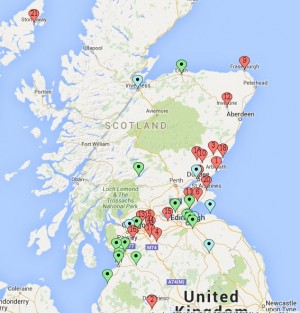
From 8-15 May people across Scotland did their bit to promote more open and supportive attitudes to death, dying and bereavement by taking part in Death Awareness Week Scotland.
Many people left thought-provoking feedback praising the exhibition, for example

“I particularly like the taxi driver. Time stands still when someone dies but the world continues. This photo reminds me of losing my mum and the world continued whilst my world stopped.”
Other events that took place included death cafes, information stands, a film screening and a pebble-painting. The photo gallery on our website shows some of the range of activities people organised - please get in touch if you have pictures to add.We are pleased to announce that NHS Lothian is the first ever winner of the Awareness Week Health Promoting Palliative Care award, which is awarded to the NHS Board area hosting events in the widest variety of venues. Within Lothian events were held in a hospital, a hospice, a community centre, a workplace and a university. NHS Greater Glasgow came a close second.
During awareness week itself, Robert Peacock, volunteer Director of Death on the

Fringe, and film-makers Jane Harris and Jimmy Edmonds were announced as winners of the Contribution to Openness About Death Award, in recognition of their contributions towards promoting more open and supportive attitudes to death and bereavement in Scotland.
A report summarising and reflecting on awareness week activity has been published: Death Awareness Week Scotland: Summary Report.
We are currently collecting feedback about people's experiences of the Awareness Week, and we'd be grateful for your thoughts if you have 3 minutes to complete the survey: Death Awareness Week - survey
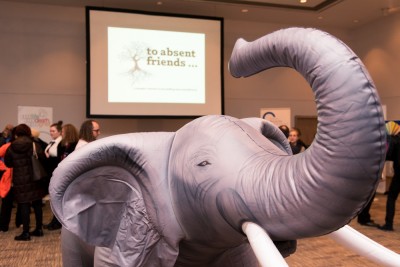
(Map pictured courtesy of Google Maps. Red dot = Local press coverage. Green dot = Exhibition venue. Blue dot = Awareness week event. Second picture: courtesy of Annabel Howell, Margaret Kerr Unit, NHS Borders.)
Winners Announced - Promoting Openness Award
The winners of a new award which recognises individual contributions towards promoting more open and supportive attitudes to death and bereavement in Scotland have been revealed as Robert Peacock, volunteer Director of Death on the Fringe, and film-makers Jane Harris and Jimmy Edmonds.
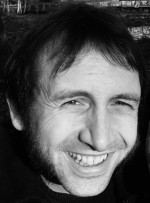
Robert Peacock runs Death on the Fringe, a series of events exploring death and bereavement which takes place during the Edinburgh Festival. Now in its third year, Death on the Fringe brings together into one programme death-themed comedy, theatre and musical performances, as well as academic lectures and experimental ‘death cabarets’. Robert undertakes the role in a voluntary capacity, and Death on the Fringe brings a unique approach to exploring these difficult issues which has drawn attention from national and international media.

Jane Harris and Jimmy Edmonds have been recognised for their work challenging societal reluctance to talk about the death of children and the grief of parents. Jane and Jimmy’s son Josh was killed in a road traffic accident in Vietnam in 2011. Through film and other media Jane and Jimmy have shared their painful journey through grief, encouraging other parents in similar situations, and challenging society more widely to be more open about death, loss and grief, particularly in circumstances of traumatic or sudden death.
The Contribution to Openness about Death Award is awarded by the Scottish Partnership for Palliative Care (SPPC), as part of its ongoing Good Life, Good Death, Good Grief initiative to promote more openness about death, dying and bereavement in Scotland.
Mark Hazelwood, Chief Executive of the Scottish Partnership for Palliative Care said:
“In Scotland we have a cultural reluctance to talk about the practical realities of death and bereavement, and that can make it difficult to plan ahead. It can also make it difficult for communities to support each other through these difficult times. We hope that this award will draw attention to the fantastic variety of innovative work going on in Scotland, changing cultural norms and enabling people to be more open about these important issues.”
Robert Peacock said:
 “It's been an absolute privilege organising Death on the Fringe, working with some amazing performers and hearing the personal stories that people have to share. Seeing it recognised in this way is an added bonus. Audience members often tell us they've been moved by what they've seen or that it's made them think about death differently, and starting that debate is what Death on the Fringe is all about. But of course, winning an award does no harm at all! I'm looking forward to this year's Death on the Fringe even more now and can't wait to reveal the programme.”
Jane Harris said:
“We are proud and honoured to receive this award. As Josh’s mum and dad this is of course bitter sweet…... something that no bereaved parent would ever want to be nominated for…... but we would like to thank the panel for recognising our work.
 "It is a great vote of confidence for our projects and we will continue to contribute to conversations about death, dying and bereavement. While we may fear death we need not fear those who grieve. ”
A full list of those shortlisted for the award is available here: contribution to openness award
New art exhibition tours Scotland
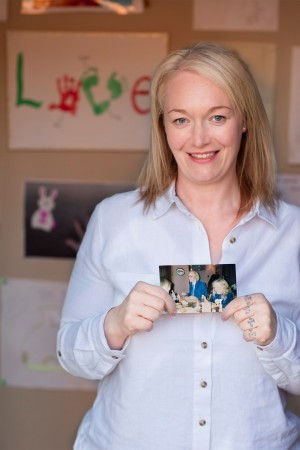
A new art exhibition will tour the country this May to mark Death Awareness Week Scotland. The exhibition is the result of a partnership between award-winning Glasgow-based artist photographer Colin Gray, and the Scottish Partnership for Palliative Care (SPPC).
Based on a concept and interviews by SPPC the exhibition features a series of photo portraits and wisdom from people from all walks of life who have cared for someone who is dying or has been bereaved.
As well as including conventional roles like doctors and nurses, the exhibition includes some more surprising roles including a taxi driver, a teacher and a funeral director. The exhibition aims to show that care and support comes in many guises and is needed by many different people.
Mark Hazelwood, Chief Executive of the Scottish Partnership for Palliative Care said:
“We all know that ‘it takes a village’ to raise a child, but what is less well recognised that it also ‘takes a village’ to support someone who is dying, and their family.
“Whether it is looking after an aging parent, working as a nurse, or cooking a meal for a bereaved neighbour, every day people help each other through the difficult times that can come with death, dying, loss and care. We wanted to show that ordinary people do amazing things when it comes to looking after the people around them. ”
The exhibition is being launched as part of Death Awareness Week Scotland (9-15 May 2016), which aims to raise awareness of the positive benefits of planning ahead for death and dying. The week has been organised by Scottish alliance Good Life, Good Death, Good Grief as part of its ongoing work to promote more openness about death, dying and bereavement in Scotland. 22 venues across the country will showcase the exhibition, including local venues.
Entitled ‘It Takes a Village’, the exhibition is a project by artist, photographer and film maker Colin Gray and SPPC. Gray’s previous work includes ‘The Parents’, a series of photographs about the photographer’s relationship with his parents and theirs with each other over a period of two decades. A follow up exhibition and book ‘In Sickness and in Health’ documented his parents’ deterioration in health and ultimately his mothers’ death.
Colin Gray said:
“The new exhibition explores similar themes to those in my earlier work - love, loss, mortality. This time however the pictures are of many different people, none of whom I had met before. The pictures are accompanied by each person’s own words about what they have experienced and the insights that those experiences bring.”
The exhibition features photographs and stories from a range of viewpoints, including a son who looked after his mother for five years with dementia, a teacher in a secondary school, a children’s palliative care nurse, and a taxi driver. Claire Linton, who was in her mid-20s when she looked after her father as he was dying of cancer, was interviewed and photographed for the exhibition:
“That six months I was home with my Dad before he died were the best and worst of my life. It was a privilege to be his daughter. If you love someone when they are vulnerable and have nothing to offer then you have accomplished true love.
“I think it is so true that ‘it takes a village’ to look after someone who is dying. The number of people who really became involved when my dad was ill was amazing. The waitresses in our cafe, the people working in the chemist, the bookies, the doctors, nurses, neighbours, friends and family. It's so true. I’m so pleased to be part of an exhibition celebrating that – my Dad would have loved it.”
A full list of exhibition venues is available here: It Takes a Village Exhibition Venues
An online version of the exhibition is available to view here: It Takes a Village
Comedy at the Stand

Looking for an excuse for a work night out? Join us for a night of death-themed comedy featuring five great acts - Keir McAllister, Stuart Mitchell, Elaine Miller, Gary Faulds and host Susan Morrison.
Organised and hosted by the world-famous Stand Comedy Club in Edinburgh, this fantastic evening of entertainment takes place on Tuesday 19th April, doors open at 19:30, show starts at 20:30. Come along, have a good night, and support the great work of Good Life, Good Death, Good Grief and the SPPC.
More information and ticket booking is available here: weblink
Funeral Poverty Report
Citizens Advice Scotland has published a report which gives wide reaching recommendations on how to tackle funeral poverty in Scotland.
This report recommends how costs can be controlled and families given much more ability to arrange a respectful funeral at an affordable price. They suggest that though some of these changes will be difficult and some will take time, with strong leadership and a lasting commitment to helping the bereaved all are achievable.
In June 2015 Citizens Advice Scotland published the Cost of Saying Goodbye report regarding the rising and varying cost of funerals in Scotland. In it they highlight the large differences in what people pay for burial and cremation fees depending on the local authority area where they live. Their research has revealed a significant variation in the basic costs of burial which can vary by as much as four times depending on where someone lives in Scotland.
Previous work by CAS indicates that an increasing number of Scots are struggling to pay for basic funerals, and that many families, up and down Scotland, find themselves in unacceptable situations when recently bereaved. In 2015 prices increased by an average of 10% for burial costs and 5% for cremation charges when compared to 2014. In one local authority area prices increased by over 40%, an unaffordable inflation for those struggling on low incomes. CAS frontline advisers continue to give feedback that the problem of people struggling to scrape together the finance to pay for a funeral is increasing.
CAS believes that if left unchecked funeral poverty is going to have serious knock on effects on other public services in Scotland and preventative action is now a serious priority. They say that the current trend of rising funeral costs is unsustainable and is damaging communities across Scotland.
The full report is available here: Funeral Poverty in Scotland: A Review for the Scottish Government
 RSS
RSS